Filming on the road
How to choose a camera for travel vlogging
The best camera is the one you can take out, start and use properly before the moment is gone. The longest specification sheet is not everything.
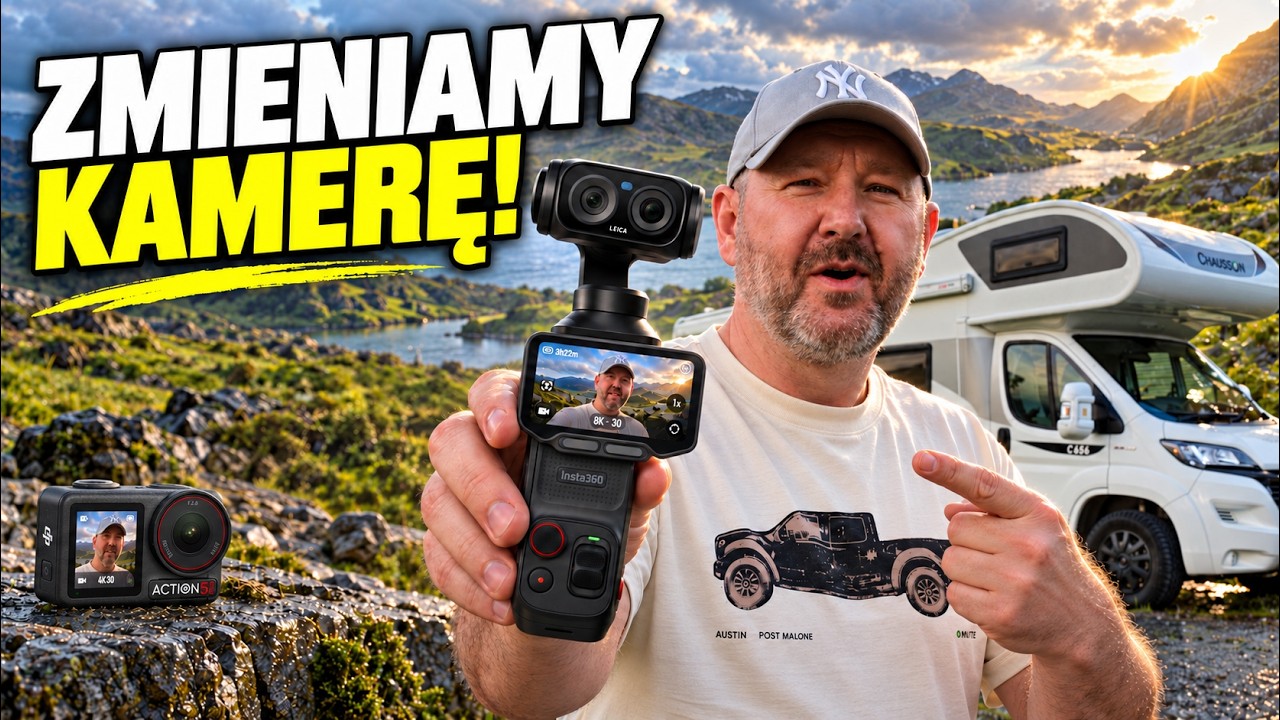
Travel filming calls for speed, a compact kit and resilience to changing conditions. A large camera can produce lovely images but stay in the camper when rain starts. A phone is always close, yet you may also need it for maps and communication during a long recording. Action cameras endure a lot, but sound or low-light images may involve compromises.
Start with the shots you make
Talking inside a camper, walking, driving, close-up technical shots and landscapes have different requirements. List what you film most often. If most footage is captured on the move, stabilisation and quick start-up may matter more than a very shallow depth of field.
Good sound can save a film
Viewers often tolerate an imperfect image more easily than speech buried in wind noise. Check wired or wireless microphone support, monitoring, level control and behaviour when a connection drops. If available, record a quieter backup track.
Stabilisation and framing
Electronic stabilisation usually narrows the field of view. A wide view makes handheld filming easier but may distort faces near the edges. An adjustable screen helps framing, while subject tracking is useful only if it behaves predictably as the light changes.
Battery, storage and temperature
Check real runtime at your chosen resolution, power-bank support and behaviour while charging. A small 4K camera can become very warm. Carry several reliable memory cards instead of one enormous card, and regularly copy footage to a second device.
Controls with gloves and in rain
The record button should be easy to find by touch and the screen readable outdoors. Consider the durability of the camera, microphones and connectors. A waterproof rating may no longer apply when a charging flap is open.
Build a kit you will use
Every extra mount, receiver and cable adds preparation time. Start with the essentials: camera, sound, a small grip, power and storage. Add equipment when it solves a specific problem.
Equipment should help tell the story. If it becomes the reason you stop filming, the setup has become too complicated.
Test before an important trip
Record a complete trial episode close to home. Check sound synchronisation, levels, colour, runtime and file copying. A quick desk test will not reveal problems that appear after an hour walking in the wind.
How our equipment has changed
The episode revisits our earlier cameras, drones and microphones before testing a new kit indoors and outdoors.